


Gingivitis: Causes, Symptoms, Treatment and Prevention
Gum inflammation affects a large proportion of the adult population. Although gum inflammation (gingivitis) often causes only mild symptoms at first, it is a condition that can develop into periodontitis and cause permanent damage to the tissues supporting the teeth.Recognising the symptoms early and receiving appropriate treatment are essential for maintaining oral health. In any case, gum inflammation should not be ignored. If you notice signs of gum inflammation, contact your dentist promptly to determine the treatment you need.
What Is Gingivitis (Gum Inflammation)?
Gum inflammation, or gingivitis, is an inflammatory reaction of the gums (gingival tissue) caused by the accumulation of bacterial plaque on the surfaces of the teeth and along the gumline. Gingivitis is the earliest stage of inflammatory periodontal disease.
Bacteria in plaque produce toxins that trigger the body’s immune response, resulting in inflammation. This condition is reversible if the cause is addressed in time, but if plaque and tartar are not removed regularly, the inflammation can progress to periodontitis.
What Causes Gum Inflammation?
Gum inflammation can develop for several reasons, but the most common is poor oral hygiene. People with poor oral hygiene are at greater risk of developing gingivitis, although other factors can also contribute. Some of the most common causes of gingivitis include:
- poor oral hygiene
- smoking
- genetics
- hormonal changes
- systemic diseases and medications
- etc.
1. Poor Oral Hygiene
Poor oral hygiene contributes to the build-up of plaque and tartar, which can lead to gum inflammation (gingivitis). It is important to emphasise that poor oral hygiene is the most common cause of gum inflammation. Teeth and gums should be cleaned thoroughly at least twice a day, using interdental brushes and dental floss, alongside regular dental check-ups.
2. Smoking
Smokers are particularly prone to developing gingivitis. Cigarettes and other tobacco products contain nicotine, which constricts blood vessels and reduces blood flow, making it more difficult for gum tissue to heal and contributing to gum inflammation.
3. Genetics
Some people are simply genetically more susceptible to bacteria, regardless of their oral hygiene. These individuals usually need to visit their dentist more frequently for professional tartar removal.
4. Hormonal Changes
Hormonal changes such as those during pregnancy and puberty can contribute to gum inflammation (gingivitis). Increased hormone levels can increase blood flow to the gums, making them more sensitive and prone to inflammation.
5. Systemic Diseases and Medications
Certain diseases, such as diabetes, increase the risk of gum inflammation because the body has more difficulty fighting bacteria, allowing them to multiply more easily. Some medications can also reduce saliva production, which normally helps neutralise bacteria in the mouth.
What Are the Symptoms of Gingivitis?
It is important to recognise the symptoms of gum inflammation before contacting your dentist, and regular dental visits are recommended to help prevent gum disease. Although gum inflammation is often thought to be painful, pain usually appears at a later stage. The most common symptoms of gingivitis include:
- redness of the gums
- swelling
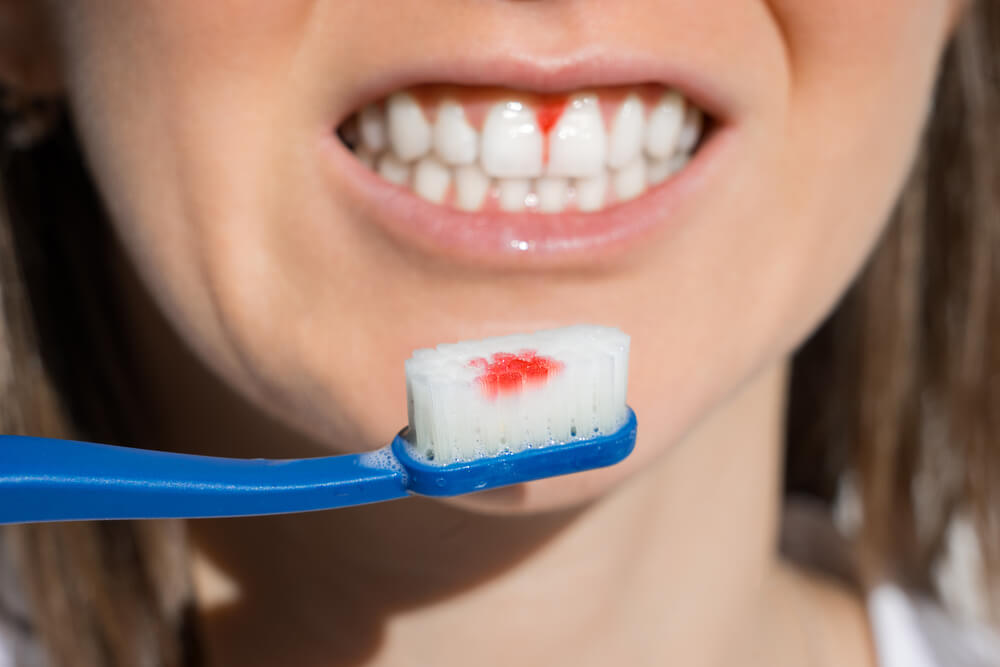
- bleeding when brushing your teeth
- bad breath.
Bleeding gums are one of the earliest signs of inflammation and should be taken seriously. If your gums start to bleed when you brush your teeth, it is time to visit your dentist.
How Long Does Gingivitis Usually Last?
Depending on its severity, mild gum inflammation may last between 7 and 14 days with proper dental hygiene, while more severe gum inflammation can last for several months. In any case, gum inflammation does not go away on its own. A dental examination is recommended as soon as the first symptoms appear, and your dentist will recommend appropriate treatment depending on the stage of gum disease.
Mild Gingivitis
Duration: usually a few days (7–14 days)
Most common symptoms: bleeding when brushing, gum sensitivity and redness
Treatment: professional tartar removal at the dental practice and regular, proper dental care at home
Moderate Gingivitis
Duration: usually several weeks with appropriate treatment
Most common symptoms: much heavier bleeding when brushing, possible gum pain, more pronounced redness and sometimes bad breath
Treatment: professional tartar removal, regular and proper dental care at home, antibiotics
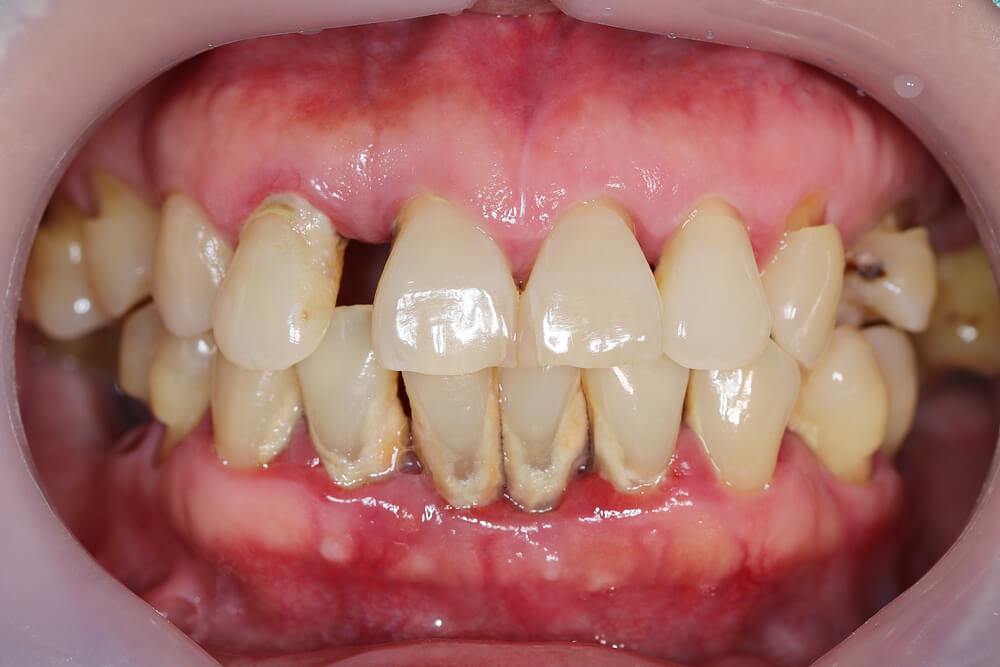
Chronic (Advanced) Gum Inflammation
Duration: usually months, depending on how quickly treatment begins and the therapy provided
Most common symptoms: gum recession, periodontal pockets and sometimes even loose teeth
Treatment: more frequent dental check-ups, professional dental cleaning (curettage of periodontal pockets), and regular, proper dental care at home
Long-term gum inflammation can lead to periodontitis, a bacterial infection that damages the supporting tissues and bone around the teeth, so this condition should not be ignored!
Should You See a Dentist If You Have Gingivitis?
As soon as you notice any changes in your mouth, you should book a dental appointment, especially if the symptoms last more than a few days or become worse. An early dental examination is the best way to prevent more serious complications.
How Is Gingivitis Treated?
Treatment of Mild Gingivitis
For mild gingivitis, proper care at home is most important. This includes:
- regular and correct brushing
- using an antiseptic mouthwash, interdental brushes and dental floss.
In some cases, professional tartar removal and the use of a medical hyaluronic acid-based gel may also be necessary to soothe gum inflammation and help restore the tissue.
Treatment of Moderate Gingivitis
Moderate gum inflammation requires tartar removal and tooth polishing to eliminate deposits that cannot be reached at home with an ordinary toothbrush or dental floss.
After tartar removal, regular and proper dental care at home is essential. In certain cases, antibiotics may also be recommended.
Treatment of Chronic Gum Inflammation
More advanced gum inflammation requires an intensive approach that most often includes deep cleaning (cleaning below the gumline) and periodontal treatment (medical or surgical procedures, depending on the individual case).
Complications of Untreated Gingivitis
Gum inflammation is not something you should put aside, as untreated inflammation can lead to a range of problems in your mouth. Untreated gum inflammation will progress to periodontitis, putting you at risk of tooth loss.
1. Periodontitis
Periodontitis is a severe bacterial inflammation of the tissues supporting the teeth and develops as a result of untreated gum inflammation (gingivitis). The gums recede and so-called periodontal pockets form – increasingly deep spaces between the teeth and gums that become difficult to clean, leading to damage to the supporting tissues and bone.
2. Bone Loss
As bacteria penetrate deeper and deeper, the bone supporting the tooth progressively breaks down. The bad news is that bone tissue does not regenerate on its own, so bone loss is irreversible.
3. Tooth Loss
When a significant amount of bone has been lost, the tooth loses its support and becomes loose. As a result, the tooth can no longer function properly and may eventually be lost.
The conclusion is that untreated gum inflammation can have permanent consequences!
How Can You Prevent Gingivitis?
1. Brush Your Teeth Regularly
Regular, proper dental care is half the battle! Brush your teeth at least twice a day, although brushing up to three times a day is recommended. Your toothbrush should not have bristles that are too hard, as they could further irritate your gums, but they should not be too soft either, as they may not remove plaque effectively enough.
And of course, take your time when brushing. Do not rush, as you risk leaving some of the plaque on your teeth.
2. Use Interdental Brushes and Dental Floss
Use interdental brushes and dental floss to clean thoroughly between your teeth and in areas that an ordinary toothbrush cannot reach.
You may also want to invest in a good water flosser, which effectively cleans between the teeth using a jet of water. Be careful when using a water flosser and adjusting the water pressure, as a jet that is too strong can further irritate already sensitive gums!
3. Visit Your Dentist Regularly
Regular dental visits are essential for detecting problems early and preventing dental disease. Although the general recommendation is to see your dentist at least twice a year, some people may need more frequent visits because they are prone to tartar build-up or have had previous dental problems that require closer monitoring.
4. Avoid Smoking
Smoking is harmful not only to your lungs but also to your mouth. Try to reduce smoking or avoid it altogether to lower your risk of developing gum disease. Nicotine in cigarettes reduces blood flow, which also impairs tissue healing.
Prevention is the most effective way to protect your dental health!
The good news is that gum inflammation is reversible if recognised early and treated appropriately. As soon as you notice the first signs, such as bleeding or sensitivity, seeking advice and arranging a timely dental examination is recommended.
For new patients from Rijeka and the surrounding area, we offer a free initial examination and treatment plan.