


Tooth Infection: Causes, Symptoms and Treatment
A tooth infection is an infectious process that affects the internal structures of a tooth or the surrounding tissues. It most commonly develops as a result of untreated tooth decay and, without treatment, can lead to serious complications.
What is a tooth infection?
A tooth infection can involve infections of the dental pulp, the periapical area and the surrounding tissues. The most common cause of tooth infection is bacteria entering through a damaged tooth.
Types of Tooth Infections
1. Inflammation of the Dental Pulp (Pulpitis)
Inflammation of the dental pulp (pulpitis) can be divided into reversible and irreversible pulpitis. When the nerve becomes permanently damaged, further treatment or tooth extraction is required. Mild, reversible pulpitis usually causes brief pain in response to stimuli (for example, when eating hot or cold food), and the tooth can still be saved because significant damage has not occurred.
2. Inflammation Around the Root Tip (Periapical Periodontitis)
Inflammation around the root tip (periapical periodontitis) most commonly causes pain when biting. Periapical periodontitis results from an untreated infection, such as advanced tooth decay or other dental conditions that allow bacteria to reach the pulp chamber.
3. Purulent Tooth Infection (Dental Abscess)
A dental abscess is most commonly accompanied by severe pain that may spread and throb, swelling of the gums or face, and the presence of pus. A bitter taste in the mouth and bad breath may also occur.
Most Common Symptoms of a Tooth Infection
Infections in the oral cavity are among the most uncomfortable types of inflammation. Symptoms depend on how far the condition has progressed, and the presence of one or more symptoms is certainly a reason to visit your dentist. Persistent pain is generally a sign of an advanced condition.
Depending on the stage of the infection, the following symptoms may occur:
- severe, throbbing pain
- sensitivity to hot and cold
- swelling of the gums or face
- pain when biting
- bad breath.
Possible Causes of Tooth Infections
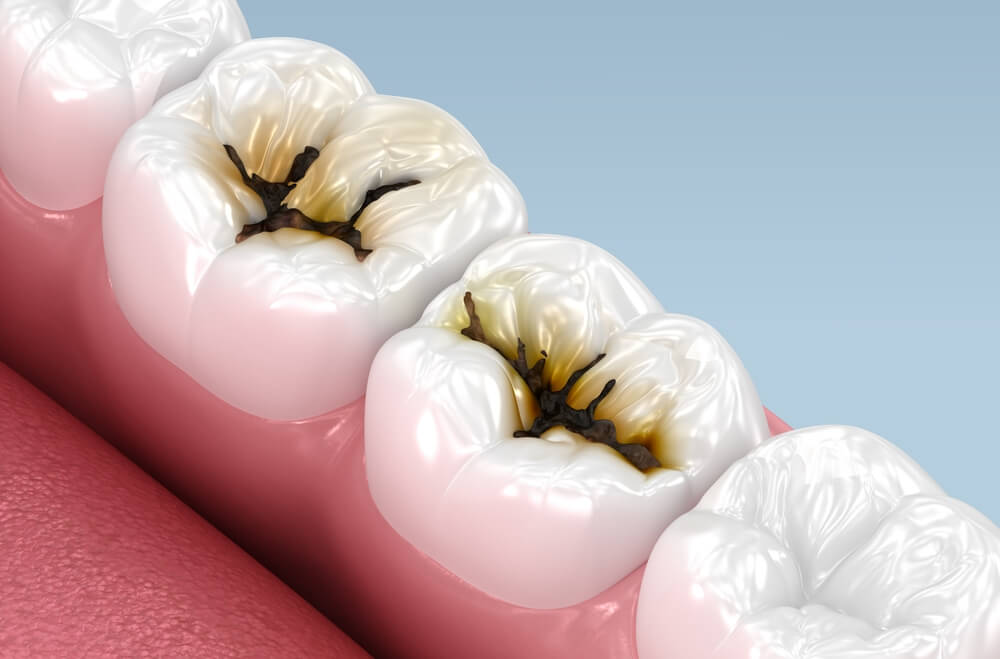
1. Deep Tooth Decay
Deep tooth decay is the most common cause of infection. The decay reaches deep into the pulp and, if left untreated, spreads towards the root and surrounding bone.
2. Cracked Tooth
A cracked tooth allows bacteria to enter areas they previously could not reach, including the inside of the tooth. Even very small cracks can be enough to cause a problem, so delaying a visit to the dentist can only make the condition worse.
3. Untreated Dental Conditions
As you may have already realised, visiting your dentist is more important than you might think, because untreated dental conditions, such as gum inflammation, can lead to a progressive infection.
How Long Can a Tooth Infection Last?
Depending on its progression, a tooth infection can be classified as:
- acute inflammation
- chronic inflammation
Acute inflammation usually lasts for a few days, while chronic inflammation lasts longer. Without treatment, the condition will worsen and can progress from an acute to a chronic state.
How Is the Cause of a Tooth Infection Diagnosed?
A personalised approach to each patient is extremely important when diagnosing a tooth infection. Diagnosis most commonly includes:
- a clinical examination
- an X-ray
- digital diagnostics.
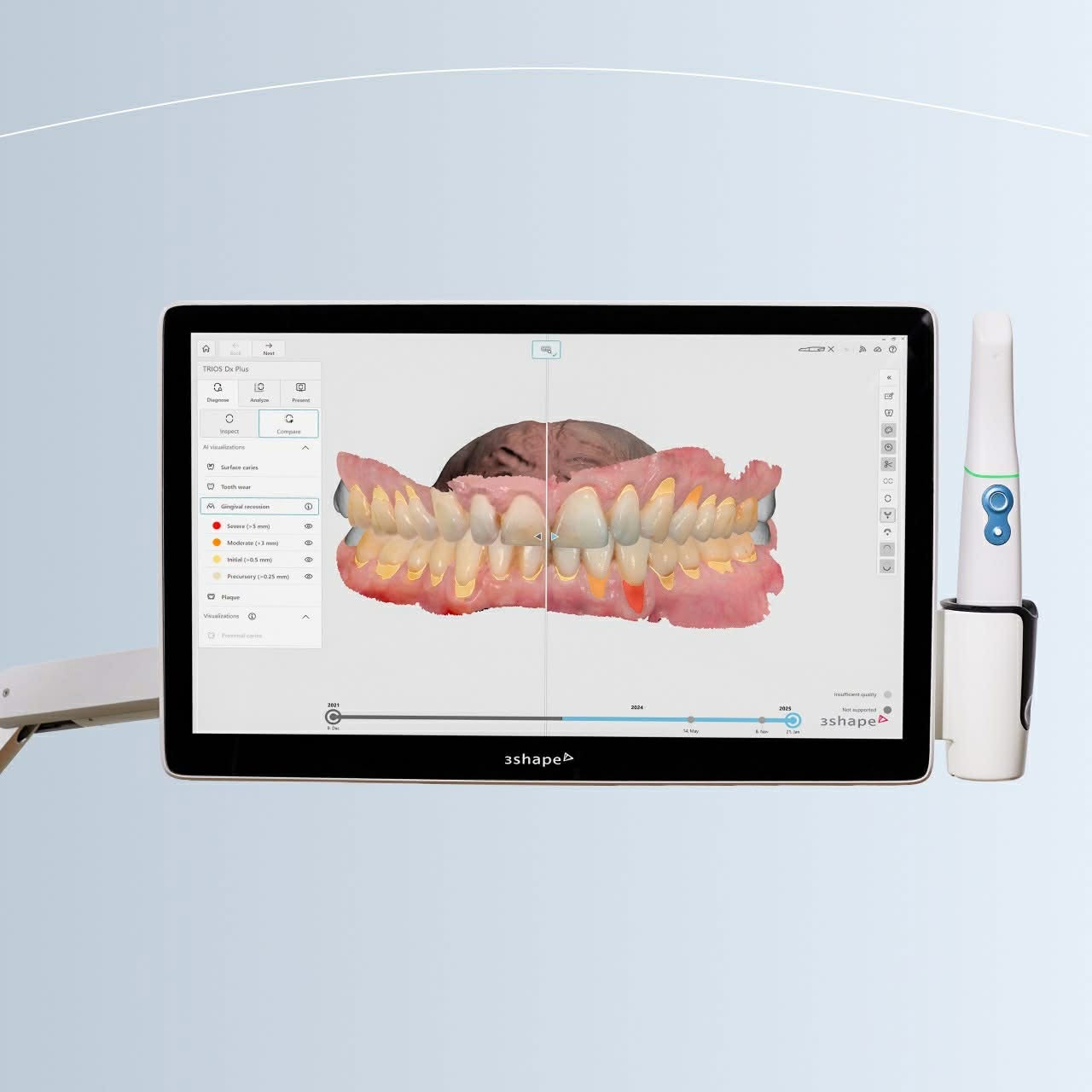
At our practice in Viškovo (just outside Rijeka), we use state-of-the-art diagnostic technology. This includes an intraoral scanner for advanced diagnostics. The system automatically detects early and hidden tooth decay, gum recession, tooth wear, cracks, changes in the oral mucosa and more.

Treating a Tooth Infection
The goal of treating a tooth infection is always the same: to eliminate the infection and, whenever possible, save your tooth! After a thorough dental examination and diagnosis, your dentist should select the most appropriate treatment method. Treatment most commonly includes:
- root canal treatment
- antibiotics
- tooth extraction (in severe cases).
1. Root Canal Treatment
Root canal treatment is performed when the infection has reached the dental pulp. The procedure involves removing the infected tissue, disinfecting the root canals and filling them with a special material to prevent bacteria from entering again.
2. Antibiotics
Sometimes your dentist may prescribe certain antibiotics as a supplement to the main treatment. Antibiotics help control bacteria and reduce inflammation and are most commonly used alongside another treatment method rather than as a stand-alone solution.
3. Tooth Extraction (in Severe Cases)
If your dentist determines that the tooth cannot be saved and there is a high risk of the infection spreading, tooth extraction will be recommended.
What Happens if a Tooth Infection Is Left Untreated?
The consequences of leaving a tooth infection untreated can be very painful. Some advanced stages can interfere with normal daily activities, so the health of your gums is more important than you might think.
It is important to understand that painkillers provide only temporary relief, not a permanent solution. The problem has not necessarily been resolved simply because the pain has disappeared. Delaying timely treatment can lead to:
- tooth loss
- the spread of infection
- an abscess (a pus-filled infection).
A tooth infection requires timely diagnosis and treatment. If symptoms occur, an examination as soon as possible is recommended to prevent complications. If you are experiencing dental problems such as a tooth infection, feel free to contact us at our practice in Viškovo (just outside Rijeka). Your initial examination and treatment plan are completely free!