


Tooth Decay: Causes, Symptoms, Treatment and Prevention
Tooth decay (dental caries) is a chronic infectious disease of the hard tissues of the teeth caused by bacteria. It is one of the most common oral diseases worldwide, but the good news is that it can be prevented. Tooth decay affects people of all ages, and most people have experienced it at least once in their lives. Certain lifestyle habits can increase the likelihood of developing cavities.
What Is Tooth Decay?
Tooth decay develops gradually as bacteria break down sugars and produce acids that damage the tooth. The process occurs in several stages:
- The tooth is healthy – the enamel is intact and bacteria have not penetrated the inside of the tooth
- Plaque forms on the tooth – dental plaque accumulates on the tooth surface and, if not removed regularly, encourages bacterial growth
- Demineralisation occurs – acids dissolve minerals in the enamel, weakening it
- A cavity develops – if demineralisation is not stopped, tooth decay develops
What Does Tooth Decay Look Like?
You can recognise tooth decay by several changes:
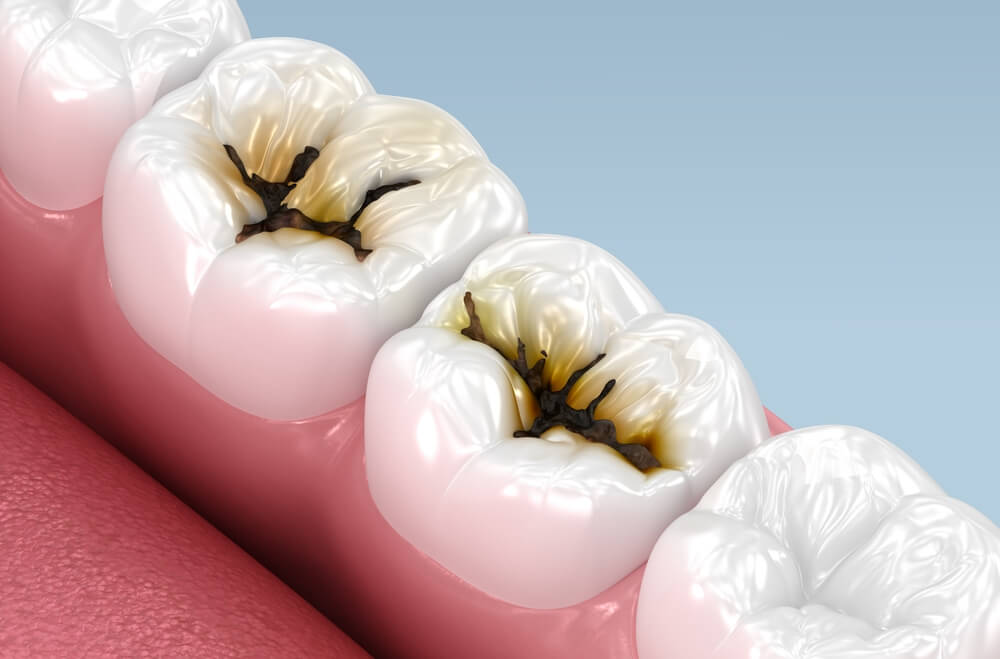
- changes in tooth colour – white spots may appear first and become darker over time
- holes or depressions in the tooth – holes on the tooth surface are often a sign of decay.
Visible damage is a sign of advanced decay, but in its early stages, tooth decay often goes unnoticed if the examination relies on the naked eye alone.
Who Is Most Likely to Develop Tooth Decay?
Like other dental diseases, tooth decay most commonly occurs in people with poor oral hygiene. Proper, regular oral hygiene and frequent dental check-ups are key to preventing most dental problems!
People who frequently consume large amounts of sugar and carbohydrates are also more susceptible to tooth decay because bacteria feed on these sugars.
There may also be a genetic component, meaning tooth decay can occur more often in people with a family history of cavities, as well as in people with certain medical conditions or those taking particular medications that cause dry mouth.
What Causes Tooth Decay?
Tooth decay is caused by bacteria, a diet high in sugars and carbohydrates, and inadequate oral hygiene.
Stages of Tooth Decay
Tooth decay develops gradually, so we can divide its progression into several stages:
- Early stage (enamel decay)
- Intermediate stage (dentine decay)
- Advanced stage (deep decay)
1. Enamel Decay (Early Stage)
The first, or early, stage is generally not accompanied by symptoms. At this stage, acids damage the tooth’s outer protective layer, the enamel.
2. Dentine Decay (Intermediate Stage)
If enamel decay is left untreated, it penetrates the enamel and reaches the dentine, the softer layer of the tooth. At this stage, you may experience symptoms such as tooth sensitivity to stimuli (e.g. hot or cold temperatures).
3. Deep Tooth Decay
Deep decay is an advanced form of tooth decay that affects the inner structures of the tooth. This stage is often very painful because the central tissue of the tooth, which contains many nerves and blood vessels, has been damaged.
Signs of Tooth Decay
When tooth decay is present, the following symptoms may occur:
- tooth sensitivity
- pain (mild or severe and throbbing, depending on the stage)
- visible changes to the tooth (tooth discolouration)
- bad breath and an unusual taste in the mouth.
Complications of Untreated Tooth Decay
The longer you wait, the greater the risk. Remember, tooth decay is not just an aesthetic issue – it is a health concern! Some of the more serious complications of untreated tooth decay include:
- inflammation of the dental pulp – bacteria infect the tooth’s nerve tissue, causing severe pain
- abscess – a pus-filled infection that causes severe pain and swelling of the gums and face, requiring urgent attention
- tooth loss – destruction of the tooth structure may make extraction necessary.
How Is Tooth Decay Treated?
Treatment for tooth decay depends on how advanced it is. Fluoride treatments are commonly used in the early stages, while later stages require more complex dental procedures and care.
Fluoride Treatments
In the early stages, when the teeth still have white spots, fluoride treatments are recommended. These treatments strengthen the enamel and slow the progression of decay through remineralisation.
Dental Fillings
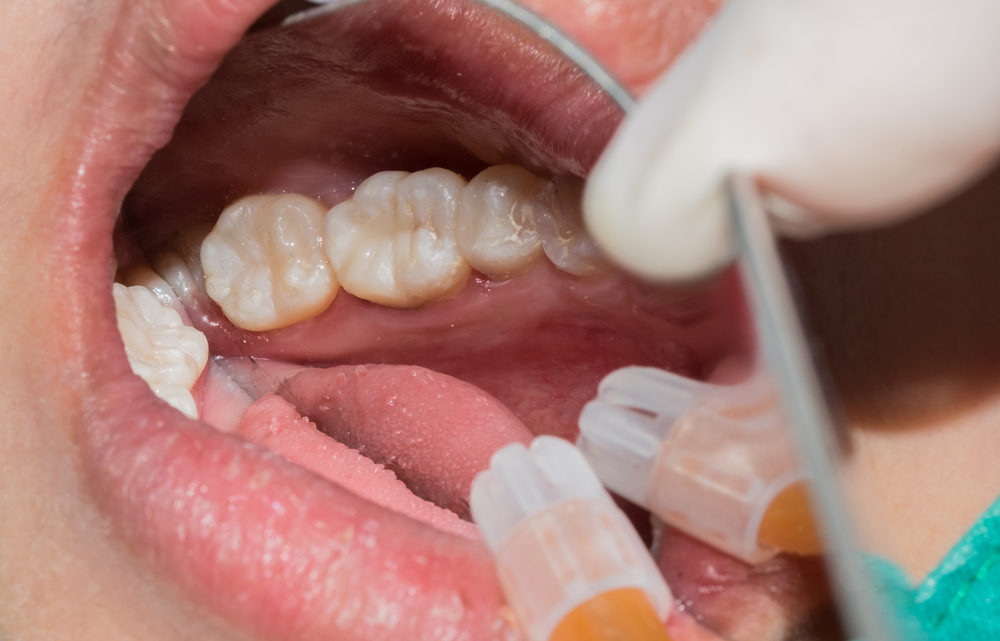
Dental fillings are the most common treatment for cavities. The procedure involves removing the decay and then filling the cavity with a special material (several types of material can be used) to prevent further damage to the tooth.
Endodontic Treatment
Endodontic treatment is used in advanced cases when decay has reached the tooth’s nerve. The procedure involves removing infected tissue from the root canal, which is then filled, followed by the placement of a crown.
How Can You Prevent Tooth Decay?
Your dentist is your teeth’s best friend, so regular dental check-ups are essential for preventing dental problems, including those caused by tooth decay.
1. Proper Oral Hygiene
Regular, proper dental care can prevent tooth decay. Use dental floss and interdental brushes, brush your teeth thoroughly at least twice a day, and avoid brushing too hard, as this can damage the enamel and gums. Choose a toothbrush that is neither too soft nor too hard.
2. Regular Dental Check-ups
Regular dental check-ups are half the battle! A dental examination and professional cleaning are recommended at least once every six months. Keep in mind that some people may need more frequent appointments, which your dentist can best assess.
3. Watching Your Diet
Diet is extremely important for your body and mind – and for your teeth! Reduce your intake of refined sugars, fizzy drinks, alcohol and coffee, and your teeth will thank you!
When Should You See Your Dentist?
As with other conditions, it is best to see your dentist as soon as the first symptoms appear. Preventive visits are recommended at least once every six months.
You should see your dentist if you notice any of the following symptoms: bleeding gums, pain in the mouth, swollen or red gums, gum recession, tooth discolouration and similar changes.
Tooth decay can be prevented if you take action in time. Do not put off visiting your dentist, as regular check-ups and proper oral hygiene are essential for keeping your teeth healthy. If you have problems with tooth decay or would like to have your teeth checked, visit us at our dental practice in Viškovo (just outside Rijeka), where your first examination and treatment plan are completely free!