


Fixed Teeth in One Day: Temporary vs Permanent Bridges
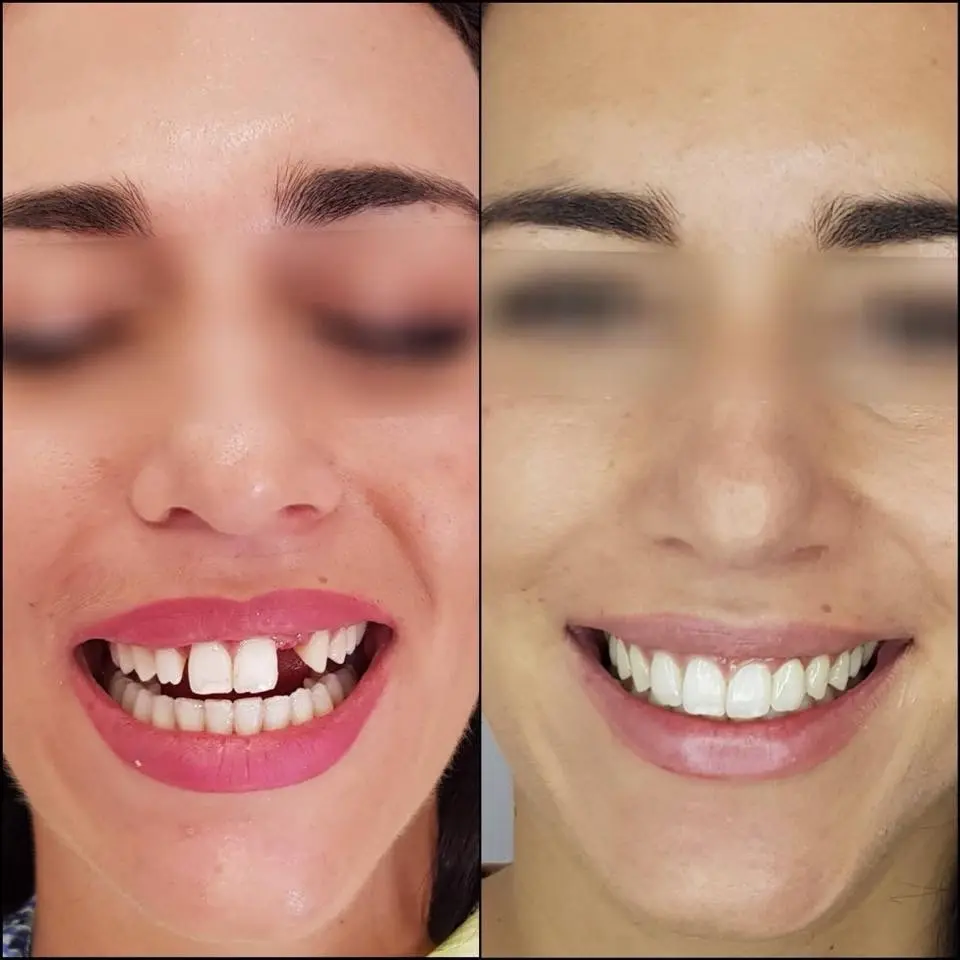
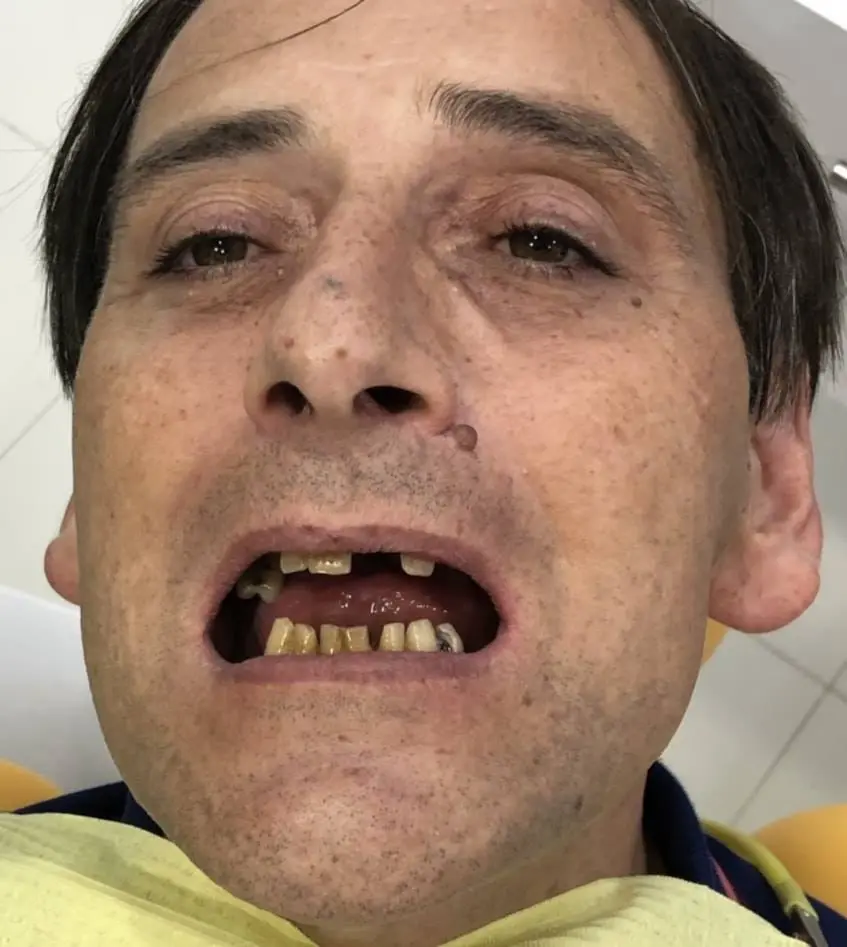
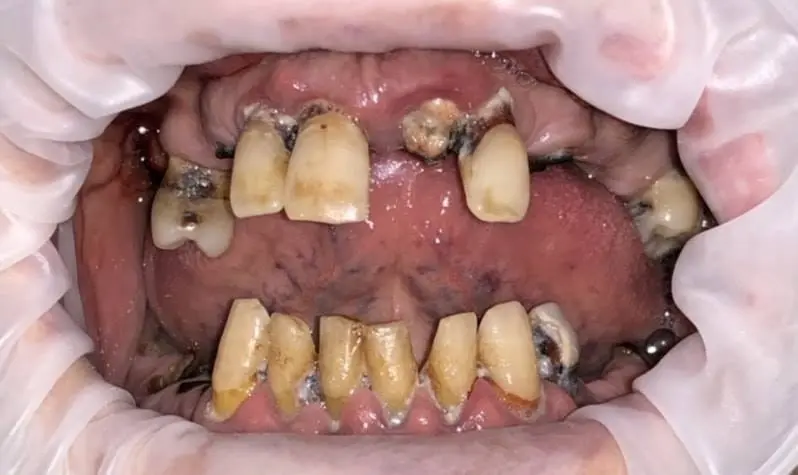
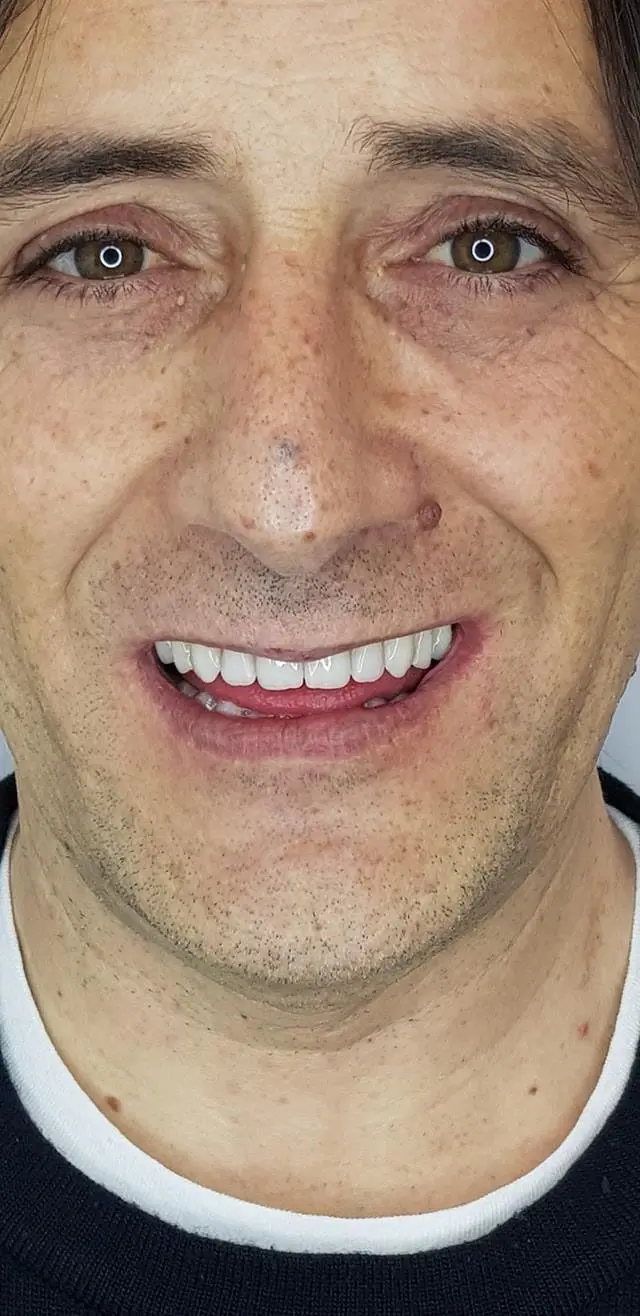
The phrase “fixed teeth in one day” sounds as though a patient could arrive in the morning without teeth and leave that afternoon with their final zirconia restoration. In a carefully planned full-arch treatment, that is rarely the case. A patient may receive a fixed temporary bridge soon after implant placement, while the final restoration is made only after healing and assessment of function.
This difference is not a minor detail hidden in the small print. Temporary and final restorations serve different purposes, use different materials, are subjected to different loading conditions and are made at different stages. Understanding the distinction helps you compare treatment quotes realistically and avoid disappointment after surgery.
What does “teeth in one day” mean in dentistry?
It usually means that, following tooth extraction and implant placement, a fixed temporary bridge is made and screwed onto the implants. The patient does not remove it themselves. This protocol is known as immediate loading or immediate restoration, depending on how the restoration is incorporated into the bite.
The temporary bridge may be fitted on the same day or shortly afterwards, depending on how the digital and laboratory workflow is organised. However, the decision must not be based solely on the desire for speed. The implants must achieve sufficient primary stability, their positioning must allow them to be safely connected, and the bite must be adjusted for the healing phase.
Why are the first fixed teeth not the final restoration?
- The bone and implants are only beginning the process of osseointegration. During the first few weeks, the implants must not be subjected to uncontrolled excessive loading because their biological stability is still developing.
- The soft tissues change shape. After extractions and surgery, swelling subsides, wounds heal and the gum line reshapes. A restoration made on day one cannot accurately predict the final tissue contours.
- The bite needs to be assessed in everyday life. Speech, chewing, jaw position and the patient’s habits provide information that no initial model can fully replace.
- Aesthetics can be refined. The temporary phase shows whether tooth length, lip support, smile line, midline and tooth visibility suit the patient’s face.
- Ease of cleaning needs to be tested. The patient must be able to clean beneath the bridge. The final restoration is designed to balance aesthetics, speech and ease of maintenance.
What does a temporary full-arch bridge look like?
A temporary restoration is usually made from a polymer material such as PMMA or acrylic, reinforced where necessary and designed for controlled loading. It is easier to adjust and repair than the final restoration, which matters while the tissues and bite are changing.
It should provide an acceptable appearance, speech and gentle function, but it is not intended to test how hard a food the patient can bite through. Its role is to connect the implants, protect the healing phase and provide useful information for the final restoration. If a temporary bridge breaks, this does not necessarily mean the treatment has failed, but it is a sign that the loading, bite and the patient’s habits need to be checked.
What is assessed during the temporary phase?
- Healing of the implants and soft tissues. Inflammation, swelling, hygiene, bridge stability and clinical signs of osseointegration are monitored.
- Speech and phonetics. Particular attention is paid to sounds that depend on the relationship between the tongue, lips and front teeth.
- Lip support and facial appearance. Tooth position and bridge volume affect the profile, smile and natural appearance of the transition towards the gums.
- Bite and chewing forces. The dentist checks for premature contacts, excessive sideways forces and signs of bruxism that could compromise the implants or prosthetic components.
- Ease of cleaning. The dentist checks whether the patient can effectively use a water flosser, special brushes, floss or other individually recommended cleaning aids.

How long is the temporary bridge worn?
There is no single timeframe that applies to every patient. The final restoration is made once the implants and tissues are sufficiently stable, which is often measured in months rather than days. The timing depends on the jaw, bone quality, any additional regenerative procedures, general health, smoking, oral hygiene and clinical findings at follow-up appointments.
The usual timeframe may be several months, but the date should not be fixed before surgery. Biological healing does not follow the clinic’s calendar. If a check-up shows that the tissues need more time, delaying the final restoration protects the result; it does not mean that the treatment plan has failed.
How does the temporary bridge become a successful final restoration?
The temporary bridge is a functional prototype. Everything that is confirmed or adjusted while it is worn – bite height, front tooth position, smile line, speech, lip support and access for cleaning – informs the design of the final restoration.
Digital impressions and precise recording of implant positions help the laboratory create a restoration that fits passively onto the implants. At Dentas, the 3Shape TRIOS 6 is used for intraoral scanning, with the digital data combined with clinical examinations, photographs and bite analysis.
Read more about the 3Shape TRIOS 6 digital scanner at Dentas.
What is the final full-arch restoration made from?
The choice depends on the available space, anatomy, bite, aesthetics, bruxism, ease of cleaning and how the restoration can be serviced in the future. The final restoration may include zirconia, composite or acrylic teeth, together with a metal or titanium framework. One advanced option is a zirconia restoration supported by a precisely made titanium bar, but this material is not automatically the best choice for every patient.
The final restoration must be strong enough to withstand the expected forces, accurately made, aesthetically suited to the face and – importantly – repairable and maintainable. The most expensive material is not a good choice if the design makes cleaning difficult or does not suit the patient’s bite.
Temporary vs final restorations – the key differences
| Feature | Temporary Fixed Bridge | Final Full-Arch Bridge |
|---|---|---|
| Main purpose | Support healing and test function | Long-term function, aesthetics and maintenance |
| When it is made | On the day of surgery or shortly afterwards, when conditions allow | After the implants and tissues have stabilised |
| Material | Usually a lighter polymer material that can be adjusted and repaired | Materials and framework are selected individually |
| Bite | Controlled, reduced loading during healing | Finalised and carefully checked |
| Scope for adjustments | Expected adjustments to aesthetics, speech and bite | Made using the parameters confirmed during the temporary phase |
Five common misconceptions about “teeth in one day”
- “I get my final teeth on the same day.” In most cases, you receive a fixed temporary bridge. The final restoration follows healing and the necessary checks.
- “If nothing hurts, the implants have already integrated.” The absence of pain is not proof of osseointegration. Stability is assessed clinically and through scheduled follow-ups.
- “I can immediately eat anything with the temporary bridge.” A soft diet is needed during healing, with strict avoidance of hard, sticky and potentially damaging foods.
- “Zirconia cannot be damaged.” Zirconia is very strong, but the screws, connections, opposing teeth and the restoration itself are still subjected to forces. No material is maintenance-free.
- “Once my full-arch bridge is fitted, I no longer need check-ups.” Implants and surrounding tissues require regular monitoring, professional cleaning and assessment of the bite.
How to protect your implants while wearing a temporary bridge
- Follow a soft-food diet for as long as prescribed.
- Do not test the bridge by biting ice, nuts, hard crusts or other hard foods.
- Clean beneath the bridge according to your individual instructions, without disturbing the fresh surgical wound.
- Contact the clinic immediately if you notice bridge movement, changes in your bite, a fracture, an unpleasant taste, increased pain or swelling.
- Attend scheduled check-ups even when everything feels fine; problems are easiest to address while they are small.
- If you clench or grind your teeth, make sure you tell your dentist, as the loading and protection plan may need to be adjusted.
How to compare full-arch treatment quotes fairly
Do not compare only the number of implants or the largest figure at the bottom of a quote. Ask for a clear breakdown of what is included in the surgical, temporary and final stages.
- Is the price for one jaw or both?
- Are extractions, bone grafting, sedation and the temporary bridge included?
- Which implant system and prosthetic components are used?
- Is the restoration fitted on the day of surgery temporary or final, and what material is it made from?
- What material and framework are used for the final restoration?
- How many follow-up appointments are included, and what does long-term maintenance involve?
- What happens if the temporary bridge breaks or the treatment plan has to change during surgery?
A good quote does not hide treatment stages behind the word “package”. Patients should understand what is temporary, what is final, what is included in the plan and what depends on findings during surgery.
Fixed teeth in one day at Dentas near Rijeka
At Dentas, we plan immediate loading only when clinical conditions allow it. The aim is not to set a speed record, but to help patients get through the healing phase with a functional and aesthetically acceptable fixed restoration, followed by a final bridge shaped using real information gathered during the temporary phase.
For patients with significant dental anxiety, conscious intravenous sedation is available when medically appropriate. The initial examination, quotation and treatment plan are offered free of charge, and you can attach an existing panoramic dental X-ray or CBCT scan through the contact form.
Frequently Asked Questions
-
Are fixed teeth in one day really fixed?
Yes. The temporary bridge is screwed onto the implants and the patient does not remove it themselves. However, it is designed for the healing phase and is not necessarily the final prosthetic restoration.
-
Can the final zirconia bridge be fitted immediately?
As a rule, the final restoration is made after the implants and soft tissues have stabilised. The tissues change after surgery, and the temporary phase provides important information about aesthetics, speech, bite and hygiene.
-
What if the temporary bridge breaks?
Contact the clinic immediately. A fracture can often be repaired, but the cause needs to be checked – the bite, excessive loading, diet, bruxism or a technical issue.
-
Can I eat normally straight away with temporary fixed teeth?
Not immediately. A soft diet is recommended during healing, and hard and sticky foods should be avoided. Exact instructions depend on the procedure and implant findings.
-
When is the final restoration fitted?
Once clinical check-ups confirm the stability of the implants and tissues, and the bite, aesthetics, speech and ease of cleaning have been assessed. The exact timing is determined individually.
-
Will the final zirconia restoration last a lifetime?
No prosthetic restoration is maintenance-free. Zirconia is strong, but the implants, screws, connections and surrounding tissues require regular check-ups, cleaning and occasional technical adjustments.